
cropper
Here 1000 Islands
  • Home
  • Articles
    • Events
    • Health & Wellness
    • Getaways
    • Home & Garden
    • Featured
    • Food & Drink
    • Shop Local & Fashion
    • Aging Well
    • Summer Fun
October 20.2026
4 Minutes Read

Exploring Canadian Potato Varieties: Enhance Your Cooking Experience

Canadian Potato Varieties: Taste, Texture and Best Uses

Understanding Canadian Potato Varieties

Welcome to the wonderful world of Canadian potatoes! Whether you're whipping up a comforting mashed potato dish or preparing crispy fries, choosing the right potato variety is essential to achieving the desired taste and texture. In Canada, you're likely to find a multitude of potato types, each with its own unique characteristics. This guide will explore some of the most popular varieties, what makes them special, and how best to use them in your cooking.

The Basics of Potato Varieties

Canadian potatoes typically fall into three main categories based on their starch content: high-starch (fluffy), low-starch (waxy), and medium-starch potatoes. Understanding these categories can transform your cooking experience. High-starch potatoes are generally light and fluffy, making them ideal for baking and mashing, while low-starch potatoes maintain their shape, making them perfect for soups and salads. Medium-starch varieties offer versatility across various cooking methods.

High-Starch Potatoes: The Baking and Frying Stars

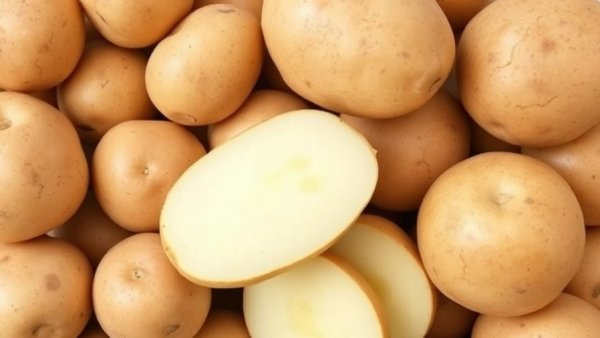
Among the high-starch potatoes, russets reign supreme in Canada. They have rough, brown skin and bright white flesh that transforms into a fluffy texture when cooked. Whether you bake, fry, or mash them, russets deliver excellent results. They are the potato of choice for classics like baked potatoes, french fries, and creamy mashed potatoes. This popularity isn't just a coincidence. The high starch content means russets create a light and fluffy texture, ideal for satisfying side dishes.

On the other hand, Idaho-style russets, while not a specific Canadian variety, offer similar qualities and should be treated the same as standard russets. If you crave that light and airy texture, russets are your go-to potato. Interestingly, these potatoes often spark friendly debates among home cooks about which preparation method showcases their qualities best, from oven-baking to air-frying.

Medium-Starch Potatoes: The Versatile Yukon Golds

Next up are the yellow potatoes, most notably the Yukon Gold. Their golden skin and buttery flavor make them a favorite for mashing and roasting. Yukon Golds strike the perfect balance between fluffiness and creaminess, making them equally adaptable for all-purpose cooking. They develop nicely crispy edges when roasted, while still maintaining a satisfying interior texture, perfect for any dinner table. But their versatility doesn't end there! Yukon Golds can also be incorporated into creamy soups, gratins, and even potato salads, soaking up flavors beautifully.

Waxy Potatoes: Maintaining Shape in Every Dish

Waxy potatoes come to the rescue when you need a potato that holds its shape. Varieties such as red potatoes and fingerling potatoes excel in salads or as side dishes due to their firm texture. These potatoes offer a moisture-rich experience that enhances soups and stews without breaking down. If you want to bring freshness to your potato salad or elevate your winter stew, look no further than these waxy varieties. They truly shine in dishes where a bit of bite and texture are essential.

Red potatoes, with their rosy skin and smooth flesh, are also fantastic for roasting or for use in potato bakes due to how well they hold their shape. Fingerlings, on the other hand, bring an aesthetic appeal to the table with their unique shapes and colors, making a beautiful addition to any dish or platter.

Seasonality and Where to Find Your Potatoes

Availability often varies by season, impacting the flavor and quality of potatoes in your local grocery store. Familiarize yourself with the growing regions in Canada—Alberta, Manitoba, and Prince Edward Island are known for their excellent potato cultivation. When you buy in season, not only do you support local farmers, but you also enjoy fresher, tastier potatoes! Seasonal shopping can enhance your culinary experience, as fresh produce tends to be more flavorful and nutritious.

The growing season is typically from late spring to early fall, with various varieties harvested at different times. Keeping this in mind can allow you to experiment with potatoes at their prime, enhancing your culinary creations with peak freshness.

Key Takeaways for Choosing Your Potatoes

When you're shopping for potatoes, remember these simple guidelines:

  • For fluffy mashed potatoes or baked goods, reach for high-starch russets.
  • For versatile cooking, Yukon Golds are fantastic.
  • Need potatoes that hold up in soups or salads? Grab some waxy varieties like red potatoes.

Always read labels carefully. Understanding the potato's type can dramatically enhance your dishes, giving you the confidence to explore new recipes and techniques. Consciously associating potato types with your favorite dishes can also spark your creativity in the kitchen.

Your Next Steps in Cooking with Potatoes

Now that you're equipped with knowledge about Canadian potato varieties, get inspired to experiment in the kitchen! Try baking some crispy potato wedges or making a rich potato gnocchi. Each type of potato offers distinct textures and flavors, which can lead to delightful surprises in your culinary adventures. Next time you're tempted to grab any potato off the shelf, pause and think—”which variety will elevate my dish?” If you're looking for a fun cooking project, why not host a potato-themed dinner? Each guest could bring their favorite potato dish, providing a delicious and engaging way to explore different varieties and cooking methods together.

Embracing Local Produce

Buying local helps support your community's farmers and can often lead to superior flavor and freshness. Visit farmers' markets or grocery stores that prioritize local produce. Plus, with the variety of potatoes available, you have a wonderful opportunity to discover your favorites. Not only does supporting local agriculture strengthen community bonds, but it also allows consumers to become more educated about food sources and promote sustainable practices.

In summary, understanding the different potato varieties available in Canada not only elevates your cooking but brings a delightful culinary experience to every meal. So, the next time you're at the grocery store, remember to choose wisely! Embrace the diversity of Canadian potatoes and enjoy the many culinary possibilities they offer.


Health & Wellness

0 Comments

Write A Comment

*
*
Please complete the captcha to submit your comment.
Related Posts All Posts
11.14.2026

Unlocking the Path of Canadian Beef: From Farm to Your Dinner Plate

Update Understanding the Journey of Canadian Beef: From Pasture to Plate Many Canadians enjoy beef, yet they often wonder about the journey from farm to grocery store. Canadian beef production is both complex and fascinating, encompassing various stages from pasture-based cow-calf farms to feedlots and beyond. With a robust agricultural framework, farmers and ranchers are committed to the highest standards of nutrition, health, and welfare for the cattle, all under stringent food safety regulations. Where is Beef Cattle Raised in Canada? Beef cattle thrive across all Canadian provinces, with the largest populations located in Western Canada, particularly Alberta and Saskatchewan. According to Statistics Canada, approximately 10.9 million cattle and calves were registered as of January 1, 2025. Most of these operations are cow-calf farms, where mothers raise their calves on lush pastures, ensuring the young cattle obtain the best possible nutrition from their natural environment. A Closer Look at Cattle Raising Practices Once calves are weaned from their mothers—generally around six to seven months—they may either continue on their original farm or be moved to a backgrounding operation or feedlot. These backgrounding facilities ensure calves continue to grow strong on a forage-based diet, allowing them to thrive in a nurturing environment. Backgrounding is crucial in preparing these young animals for later stages of production. Feedlots serve an essential role in beef production as well, providing a controlled environment where cattle receive balanced feed, including grains and vitamins, to achieve market weight efficiently. Feeding and Caring for Cattle: Behind the Scenes Understanding what cattle eat can demystify the beef production process. Farmers collaborate with livestock nutritionists to create tailored rations that meet the dietary needs of their animals. This often includes silage, hay, and specially formulated feeds designed to promote optimal growth and health. As temperatures drop, cattle still have access to stored forage to ensure they maintain adequate nutrition even during winter months. Many farms also employ rotational grazing techniques, allowing pastures to recover and regenerate, providing healthier forage for the cattle. The Importance of Animal Welfare Practices Animal care is paramount in the Canadian beef industry. Farmers implement extensive systems to monitor the health and well-being of their cattle. This includes vaccination programs and regular veterinary check-ups to ensure that the animals remain healthy. Such dedicated practices not only contribute to better tasting and healthier beef, but they also resonate with consumers who prioritize ethical food sources. Animal welfare standards are rigorously maintained across the industry, reflecting a commitment to humane treatment throughout the beef production cycle. Canadian Beef and Environmental Stewardship The beef industry is evolving to align itself more closely with sustainable practices. Initiatives aimed at reducing the environmental impact, such as the Canadian Roundtable for Sustainable Beef, work towards ensuring that beef production meets modern sustainability standards. This includes practices that protect grasslands and promote biodiversity, ultimately benefiting the planet and supporting the ecosystem. In fact, many beef producers are adopting innovative methods such as carbon sequestration in pastures, which not only helps mitigate climate change but also enhances soil quality. The Economic Impact of Canadian Beef The Canadian beef industry not only provides a source of high-quality protein for consumers but also plays a significant role in the economy. It supports numerous jobs in agriculture, processing, and distribution; approximately 229,000 Canadians are employed in the meat industry, often in rural areas where these jobs are vital for the local economy. Furthermore, Canadian beef is exported around the globe, contributing to trade balance and ensuring widespread access to one of Canada's most revered agricultural products. Moving Towards a Sustainable Future As consumers increasingly demand transparency in food production, knowing how beef is produced can shape grocery decisions and meal planning. With growing awareness of health and environmental issues, it’s essential to recognize the practices in place that give consumers confidence in their beef choices. Many consumers are turning to locally-sourced beef, understanding that purchasing from nearby farms supports the local economy and reduces the carbon footprint associated with transporting food over long distances. Final Thoughts: The Value of Understanding Where Our Food Comes From When Canadian families sit down to enjoy a delicious beef meal, they are not just nourishing their bodies, but also participating in a system that values quality, safety, and sustainability. By understanding the journey of Canadian beef from farm to plate, consumers can take pride in their choices, knowing they support dedicated farmers and ranchers who prioritize animal care and environmental stewardship. The next time you enjoy a beef meal, remember the thought, care, and hard work that goes into producing that food. It’s a testament to the connection between agriculture and quality nutrition that is cherished across the country.

11.13.2026

Discover How Caring for Our Grasslands Impacts Food & Wildlife

Update Understanding the Heart of Our GrasslandsCanada’s grasslands are not just sweeping fields; they are vibrant ecosystems that play a crucial role in our food chain and environmental health. These landscapes are a tapestry of life, supporting everything from the cattle that feed us to the wildlife that enrich our natural environment. By understanding these connections, we appreciate the significant relationship between our agricultural practices and the land we depend on.Grasslands as a Crucial ResourceGrasslands, as a type of rangeland, are made up of grass, herbaceous plants, and shrubs that flourish in various conditions. Unlike traditional farmlands that are cultivated annually, these rangelands are perennial, which means they can grow for many years without needing to be replanted. This resilience is essential, as it allows for the sustained production of forage for grazing livestock.These grasslands also play a fundamental role in maintaining biodiversity. They provide essential habitat for numerous species, some of which are native only to specific regions. Healthy grasslands can support a wide range of life, from flowering plants to various insects, birds, and mammals. For instance, a single grassland can be home to over a hundred different types of grass and wildflower species, all of which contribute to the ecosystem's complexity and stability.The Role of Cattle in Our EcosystemCattle grazing is a unique method of food production that transforms grasses into protein. Grazing cattle thrive on natural vegetation, converting plant materials unavailable to humans into a nutritious food source. This process not only produces beef but also creates a dynamic link between livestock and ecosystems, helping to manage plant growth and promote habitat diversity.Furthermore, the grazing of cattle can help maintain the health of grasslands. By carefully managing grazing patterns, ranchers can prevent overgrowth and encourage the growth of a variety of plants, which helps to maintain a balanced ecosystem. This, in turn, can support wildlife populations that depend on healthy grasses and forbs for food.Wildlife Benefits from GrasslandsInterestingly, grasslands are not just a backdrop for cattle farming; they are also rich habitats for a variety of wildlife. Insects, birds, and larger mammals all inhabit these expanses, relying on the ecosystem services that grasslands provide. Grazing, when managed properly, can enhance plant growth, thereby creating a healthier habitat for these species.For example, studies have shown that certain bird species thrive in grazed areas because the open landscape provides easier access to food and nesting sites. The presence of cattle can influence the plant composition, allowing for a diversity of habitats that support various forms of wildlife. Thus, ranchers not only contribute to food production but also play a vital role in conservation efforts.The Importance of Responsible ManagementWhile grasslands offer many benefits, they require careful stewardship. Farmers and ranchers who understand the ecological dynamics of their land can enhance its capacity for supporting both livestock and wildlife. Techniques such as rotational grazing not only prevent overgrazing but also contribute to the preservation of prairie systems, helping maintain biodiversity and water quality.In addition, implementing sustainable practices such as cover cropping and agroforestry can strengthen resilience against climate change. These methods promote soil health, enhance water retention, and combat erosion, ensuring that grasslands remain productive for generations to come. The intersection of agriculture and environmental conservation is a delicate balance but essential for the longevity of these ecosystems.Looking Ahead: Sustainable Practices for Future GenerationsThe recognition of 2026 as the International Year of Rangelands and Pastoralists invites a global examination of these issues. In Canada, this is an opportunity to foster discussions around sustainable farming practices that align food production with ecological conservation. As consumers, becoming aware of where our food comes from and the impacts of our dietary choices on these ecosystems can help drive demand for sustainable farming practices.Moreover, educational initiatives focusing on grassland stewardship can empower future generations. Programs that educate youth about the importance of grasslands can inspire new advocates for the environment and informed consumers who value sustainable practices. Understanding the role of grasslands in our diets is fundamental to creating a sustainable future.Connecting Consumers with Their Food SourcesUnderstanding the relationship between what we eat and the land from which it comes fosters appreciation and support for Canadian farmers. Purchasing local beef not only contributes to the economy but also supports the conservation of our grasslands. Knowing the stories behind these landscapes and the cattle that graze upon them enriches our dining experience and connects us more deeply to our food.Additionally, local farmers' markets and community-supported agriculture (CSA) programs can serve as platforms for fostering this connection. When consumers interact with the ranchers and learn about the management practices that sustain grasslands, they are more likely to appreciate the value of sustainable agriculture and its impact on their health and the environment.In conclusion, grassroots understanding of grasslands is crucial. As we learn to value these ecosystems, we also become advocates for sustainable practices that support both our health and our environment. Let’s all take a moment to appreciate the natural landscapes that help sustain us. By acknowledging our interdependence with these grasslands, we can take meaningful steps towards a healthier planet for ourselves and future generations.

11.07.2026

Simplify Your Meals with This Broccoli, Lentil & Shrimp Sheet Pan Dinner

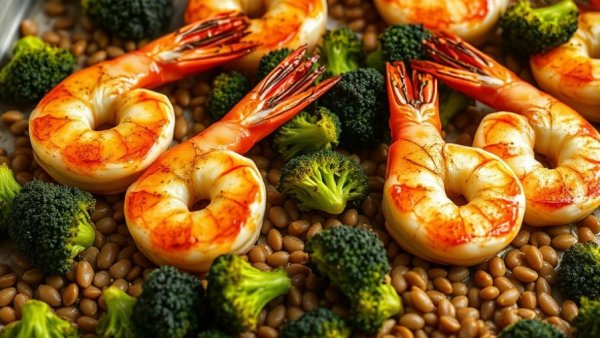
Update A Quick and Wholesome Dinner Solution In our fast-paced lives, busy weeknights often leave little time for cooking elaborate meals. But what if you could whip up a delicious, healthy dinner in just 30 minutes? Enter the Broccoli, Lentil & Shrimp Sheet Pan Dinner—a nutritious option that not only pleases the palate but also minimizes post-dinner cleanup. This dish exemplifies how meal preparation doesn't have to be a time-consuming task, allowing you to focus on what truly matters—spending quality time with loved ones. Time-Saving Meal Prep This meal stands out for its simplicity and efficiency. With ingredients that come together in one pan, you can focus less on the cooking process and more on enjoying quality time with family. In the time it takes to cook a pot of rice, you can have this vibrant dish ready, making it perfect for even the busiest of weeknights. Moreover, the sheet pan approach encourages minimal cleanup—just one baking sheet and a few bowls are all you need. This means you can wrap up dinner and have more time in the evening to unwind. The Benefits of Using Broccoli and Lentils Broccoli is a powerhouse vegetable rich in vitamins K and C, as well as fiber—essential for maintaining a healthy diet. Interestingly, this recipe makes full use of the broccoli, incorporating both the tender florets and the often-overlooked stems, reducing food waste and maximizing nutrition. Half of the nutrients in broccoli can be found in its stems, yet they are frequently discarded. By utilizing the entire vegetable, you not only enhance the dish but also play a role in promoting sustainability in your kitchen. Lentils are another highlight of this dish, adding not only a hearty texture but also plant-based protein. Known for their numerous health benefits, lentils are low in calories yet high in fiber and nutrients. They support digestive health, keep you feeling full longer, and can even help regulate blood sugar levels. For those following vegetarian or vegan diets, incorporating lentils can significantly contribute to your daily protein intake, often making them a staple choice in health-conscious cooking. A Flavorful Blend of Spices The seasoning in this recipe is simple yet effective. A mix of coriander, cumin, and chili powder infuses the veggies and lentils with a warm, comforting flavor. These spices not only enhance the taste but also offer various health benefits; for instance, cumin is thought to aid digestion, while coriander can help combat inflammation. By introducing these spices, you are not only making your meal more flavorful but also enriching it with health-promoting properties. If you're feeling adventurous, consider experimenting with other herbs and spices like paprika or turmeric to add even more depth to this already tempting dish. The Star Ingredient: Shrimp Shrimp completes this dish, providing lean protein and a delightful texture. This seafood choice is particularly beneficial, as it cooks quickly and adds a nice seafood flavor that pairs beautifully with the vegetables and lentils. Cooking shrimp in the oven makes for a quick method that keeps the meat tender and flavorful, particularly when paired with fresh ingredients. The addition of fresh lemon zest and juice adds a refreshing brightness that balances the dish perfectly. Don't be afraid to add a bit more lemon or even a dash of hot sauce if you like a little kick in your meal. Making Cooking Fun Involving family members in meal prep can transform cooking from a chore into a fun, collaborative experience. Younger family members can help wash and prepare the veggies, while older kids can tackle the seasoning or using the oven under supervision. Making meals together creates not just nourishment but also lasting memories. Sharing responsibilities in the kitchen can help teach children valuable life skills and foster an appreciation for cooking and healthy eating. Why not turn on some music and make it a family event? Not only does this make the cooking process more enjoyable, but it also allows everyone to contribute, making the final dish feel like a joint effort. Meal Ideas for Future Weeknights If you enjoy this sheet pan method, why not expand your repertoire? Consider trying combinations like roasted vegetables and steak or a colorful sheet pan dish of pork tenderloin with caramelized onions and crispy bacon. The concept remains the same: minimal prep, quick cooking, and satisfying results! You can even explore international flavors by incorporating spices and seasonings from different cuisines. A Mediterranean-inspired sheet pan dinner with chicken, zucchini, and feta can add variety to your weekly meal plans. Sticking to such quick, simple methods can make healthy cooking not only sustainable but also exciting and diverse! Conclusion: A Call to Action for Busy Weeknights No more scrambling for complicated dinner ideas on busy nights—this Broccoli, Lentil & Shrimp Sheet Pan Dinner is a delicious, health-conscious option that brings ease back to cooking. With its vibrant colors, rich flavors, and nutritional benefits, it’s a meal worth savoring. Save this recipe for your next busy weeknight adventure, and take the stress out of meal planning with this easy, one-pan wonder. Your future self will thank you for choosing a meal that nourishes both body and soul!

Here 1000 Islands

We’re a local online lifestyle magazine that strives to entertain and inform residents of the 1000 Islands region of both Canada and the United States, with stories about our community as a whole. 
 

COMPANY

  • Privacy Policy
  • Terms of Use
  • Advertise
  • Contact Us
  • Menu 5
  • Menu 6

Brockville, Ontario

Canada

ABOUT US

We are a local online lifestyle magazine dedicated to celebrating and strengthening the unique culture of the 1000 Islands region, spanning both Canada and the United States. Our mission is to entertain and inform residents by sharing compelling stories, community news, and expert insights that reflect the vibrant spirit and shared experiences of our riverfront community.

© 2026 CompanyName All Rights Reserved. Address . Contact Us . Terms of Service . Privacy Policy

Terms of Service

Privacy Policy

Core Modal Title

Sorry, no results found

You Might Find These Articles Interesting

T
Please Check Your Email
We Will Be Following Up Shortly
*
*
*