

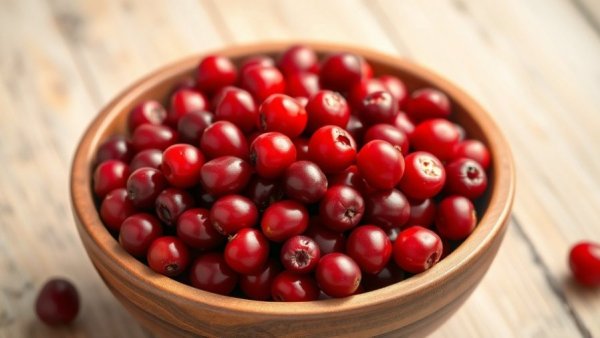
Exploring the Rich Heritage of Canadian Cranberries
Canadian cranberries are not just a beloved fruit; they hold a unique place in the culinary history of the nation. Grown in wild bogs and cultivated beds across the country, cranberries were vital to Indigenous communities long before they became a staple in modern kitchens. The rich agricultural tradition tied to cranberries reflects a robust cultural identity, creating a strong connection to the land. This fruit thrives particularly in regions like Atlantic Canada and British Columbia, where the unique climate and soil conditions support their growth. Moreover, cranberries are recognized for their health benefits, making them a popular choice among health-conscious consumers.
The Three Main Forms of Canadian Cranberries
Before diving into the various forms of cranberry available to Canadian shoppers, it’s essential to understand their flavor profiles and ideal uses. Each type has its own unique qualities that cater to different culinary practices, making it important to select the right form for your recipe. Whether you’re making a family dinner or a festive gathering, knowing how to utilize cranberries can enhance your meals dramatically.
Fresh and Frozen Whole Berries
Fresh cranberries make their seasonal appearance in grocery stores in Canada from the fall harvest until January. Often found in bags, they are vibrant and full of flavor, showcasing their deep red hue that is as appealing as it is nutritious. Notably, these berries undergo a dry harvesting technique that allows them to be sold whole, contrasting with their wet-harvested counterparts which are often processed shortly after collection. Frozen cranberries, preserved in cold storage, maintain their texture and tartness remarkably well, making them an excellent alternative to fresh berries. This versatility makes both fresh and frozen cranberries ideal for a variety of culinary uses, including making homemade cranberry sauce, baking off muffins, and festive garnishing.
With their intense tartness, fresh cranberries are usually not eaten raw, which is why many recipes call for them to be sweetened or cooked. For instance, a simple stovetop cranberry sauce can transform this tangy fruit into a flavorsome side dish. The bright acidity of fresh cranberries also pairs beautifully with meats, often found as a complement in recipes for holiday roasts.
Best for: Homemade cranberry sauce, baking, relish, garnishing dishes, and holiday meals.
Dried, Sweetened Cranberries
Dried cranberries are the pantry staple that many Canadians reach for year-round. These berries are usually sweetened to offset their natural tartness, often paired with added fruit juice during processing for a more balanced taste. This added sweetness makes them incredibly versatile, allowing them to be enjoyed in various dishes. Thanks to their shelf-stable qualities, dried cranberries provide a convenient option that adds a delightful zing to salads, trail mixes, and baked goods. Whether it's snacking right out of the bag or layering into breakfast bowls, their versatility is undeniable.
Not only do dried cranberries offer a sweeter alternative to their fresh counterparts, but they also lend nutritional benefits. Packed with antioxidants and vitamins, they are an excellent choice for health-conscious individuals looking to enhance their meals. Incorporating dried cranberries into your diet can be as simple as adding them to oatmeal or yogurt, elevating your breakfast in a nutritious way.
Best for: Trail mixes, oatmeal, salads, baking treats, and nutritious snacks.
Juice, Sauce, and Processed Forms
Processed cranberry products, including juice and sauces, dominate how Canadians typically enjoy this fruit. Because fresh cranberries’ tartness can be overwhelming, most are transformed into juice blends or canned sauces, making them more palatable for everyday consumption. These processed products are particularly popular during holiday seasons, as cranberry sauce becomes a dinner table staple alongside turkey and stuffing. This processing often employs wet-harvesting methods, where the berries are floated to the surface of flooded bogs for collection.
Cranberry juice is commonly enjoyed as a refreshing drink, but it often comes blended with other fruit juices or sweeteners to balance its natural acidity. This adaptability allows cranberries not only to play a significant role in beverages but also as bases for marinades, glazes, and dressings, enhancing the flavor profile of various dishes.
Best for: Holiday meals, marinades, quick sauces, and refreshing drinks.
Understanding the Cultivars
The quality and flavor of cranberries can also be attributed to the specific cultivars planted by farmers. In British Columbia, common cultivars like Stevens, Bergman, and newer Grygleski hybrids influence how cranberries develop. Each cultivar offers different tastes and textures for culinary use. This means that even as shoppers browse for cranberries styled as fresh, frozen, or dried, the underlying cultivar can signal much about the fruit's quality. Choosing the right cultivar can not only affect the flavor but also how well it works in specific recipes, making this knowledge crucial for cooks keen on maximizing their culinary creations.
Choosing the Right Cranberry for Your Recipe
Navigating through the various types of cranberries available can be essential for maximizing culinary potential. For example, if you're creating a rich, tart sauce to accompany meats, fresh cranberries might shine the brightest. Conversely, when tossing together a healthy snack with oats and nuts, dried cranberries would be the preferred option. The right form of cranberry can significantly influence the success of a dish, whether you’re making a festive celebration meal or a quick weekday lunch.
Understanding your ingredients and how they work together allows you to create balanced and flavorful dishes. With cranberries, the possibilities are nearly endless, from sweet holiday desserts to savory pairings that enhance robust flavors.
The Joy of Cooking with Cranberries
Whether you’re enhancing your meals during the holiday season or incorporating them into vibrant summer salads, cranberries serve as a delightful addition to your culinary toolkit. Loaded with nutrients and health benefits, these little gems can elevate not only flavor but also nutrition. They encourage home cooks to explore new recipes that celebrate their tart charm. From sweet sauces accompanying savory dishes to refreshing salads bursting with color, the potential of cranberries is boundless—and there’s no better time than now to experiment in the kitchen.
As you create, remember to share the joy of cooking with cranberries with family and friends, celebrating not just the health benefits but the cultural significance of this vibrant fruit. By doing so, you help preserve the traditions tied to cranberries while forging new memories centered around delicious meals.
In conclusion, Canadian cranberries are much more than just a seasonal fruit; they are a versatile ingredient that bridges the gap between traditional and contemporary cooking. Exploring their various forms offers endless culinary opportunities that celebrate this uniquely Canadian product.




Write A Comment