


cropper
Here 1000 Islands
  • Home
  • Articles
    • Events
    • Health & Wellness
    • Getaways
    • Home & Garden
    • Featured
    • Food & Drink
    • Shop Local & Fashion
    • Aging Well
    • Summer Fun
November 26.2026
4 Minutes Read

Discover the Cozy Joy of Cider Braised Sticky Pork Ribs for Your Weekend Gatherings

Sliced cider braised sticky pork ribs on a floral plate

Delicious Embrace of Cider and Pork: A Perfect Winter Meal

As the cooler months approach, not much feels cozier than the scent of a hearty meal wafting through the house. These Cider Braised Sticky Pork Ribs make for an ideal weekend dish, evoking warmth and comfort with every bite. Featuring a tantalizing blend of hard apple cider, molasses, and mustard, this succulent recipe is not just a meal but a gathering experience, perfect for family and friends. The layered flavors and inviting aroma truly lead to an invitation to linger around the table, enjoying each moment together.

Connecting with the Seasonal Bounty of Apples

The main ingredient, hard apple cider, offers a wonderful connection to the rich history of apple cultivation, especially in regions where farms thrive due to their climate. Apples, the base of cider, have not only been a staple in many households but also an integral part of community events such as harvest festivals. By using local cider, you can savor this connection, turning your meal into a celebration of local produce and artisanal craftsmanship. Many regions across the United States, particularly in the Northeast, boast vibrant apple-picking seasons, which can add a fun, family-friendly activity before diving into this delicious recipe. Selecting local cider not only supports your local economy but also enhances the flavors present in your dish.

A Closer Look at Cooking Technique

Braising combines both dry and wet heat to tenderize and enhance flavor—perfect for the fatty richness of pork ribs! The process is beautifully straightforward, requiring just ten minutes of initial prep before the slow and gentle magic of the oven takes over. By letting the ribs simmer in cider for about two and a half hours, you're gifted with tender meat that falls off the bone, infused with the sweet and tangy notes of the cider. For those who might not have hard cider within reach, this recipe's flexibility means that swapping in beer or even apple juice can still yield delectable results. This flexibility encourages creativity in the kitchen, allowing you to experiment with different flavors based on what you have readily available or what you particularly enjoy.

Crafting the Perfect Sauce and Flavor Explosion

The star of any rib dish is undoubtedly the sauce, and this recipe does not disappoint. Blending ketchup, molasses, and Dijon mustard creates a perfect balance of sweet and savory. The addition of garlic and smoked paprika adds depth, enhancing the umami appeal. It’s not just about cooking; it’s about layering flavors to create something exceptional. Taking the time to mix this sauce will reward you with a dish that’s bursting with personality. Consider making additional sauce to serve on the side so your guests can enjoy extra flavor at their leisure. Experimenting with variations—like adding a hint of chili powder for heat or a dash of your favorite vinegar for acidity—can tailor the sauce to your taste and heighten the overall experience.

Practical Tips and Inspirations

For hosting, these ribs are a fantastic centerpiece, inviting an atmosphere of warmth and satisfaction. Allow your guests to dig in at a communal table—encourage the messy joy of eating with hands. And remember, sharing meals creates bonds; it’s often around the table we forge our most cherished memories. Not only can the act of sharing food bring people together, but it also encourages conversations about the ingredients and the stories behind them, making the dining experience increasingly meaningful. If you're planning to make this ahead, braise the ribs and refrigerate. Finish off with the sauce when you’re ready to serve, ensuring they’re just as delicious as if made fresh. This strategy also lends itself well to busy weeknights or weekend gatherings where you want to minimize kitchen fuss right before meal time.

More Ribs to Enjoy!

If you find that you love these cider-braised ribs, consider venturing into other bold flavors with dishes like Chipotle and Honey Glazed Ribs or St. Louis Ribs. Each recipe presents a unique taste journey, expanding the delights of cooking and sharing food. These alternatives also allow you to explore different flavor profiles and techniques, keeping your culinary adventures fresh and exciting. Experimenting in the kitchen can lead to delightful surprises, so don’t hesitate to try something new or modify these recipes to suit your preferences!

Embracing Sustainability in Cooking

As we delve deeper into our culinary adventures, let’s not forget about sustainability. Choosing local ingredients helps reduce carbon footprints and supports nearby farmers. When hosted in your homes, these activities can transform into meaningful discussions about food systems and ethics. By consciously selecting food sources, you're not just serving tasty dishes but making a statement about your values and commitment to the planet. Discussing sustainability in your cooking can illuminate the importance of mindful eating and inspire others to consider their impact, even through simple choices in their meals. Moreover, this also conveys how cooking can be an avenue for promoting environmental stewardship.

Savoring Together

As you prepare to dive into these Cider Braised Sticky Pork Ribs, remember that the best meals are not just about the food. They encompass the laughter, the stories, and the moments shared over the table. By engaging in communal cooking and dining, you enhance the experience not only of the meal itself but also of the bonds that grow through shared experiences. So gather your loved ones, roll up your sleeves, and get ready to create not just a dish but lasting memories that are sure to linger long after the last rib has been devoured.

Health & Wellness

0 Comments

Write A Comment

*
*
Please complete the captcha to submit your comment.
Related Posts All Posts
11.24.2026

Delicious Apple Cinnamon Buns: Your New Favorite Recipe

Update Indulge in the Comfort of Homemade Apple Cinnamon Buns There's something utterly heartwarming about homemade cinnamon buns, especially when they burst with the sweetness of spiced apples and are elegantly drizzled with a rich maple glaze. This delightful recipe not only brings a cozy warmth to your kitchen but also transforms a simple gathering into a memorable feast. Follow along as we dive deeper into making these delectable treats that will become a staple in your home baking repertoire. Gathering Goodies: The Ingredients You'll Need The beauty of these buns lies in their simple yet delightful ingredients. You will need: – Dough: Whole milk, granulated sugar, salted butter, egg, active dry yeast, all-purpose flour, and salt. – Apple Filling: Gala or Granny Smith apples, sugar, spices, and, intriguingly, dry mustard powder, which enhances the flavor of apples without overpowering them. This special touch brings out the fruit's natural sweetness and adds a subtle complexity. Elevating Flavors: A Deeper Dive into the Ingredients It's worth noting the role that each ingredient plays in crafting these buns. For instance, the choice of apples is critical; Granny Smith apples give a tart contrast, while Gala offers a sweeter note. The use of butter is prevalent throughout the recipe, not just in creating a tender dough but also in enriching the apple filling. Unsung heroes like mustard powder lend an unexpected depth, and without it, the filling might taste overly sweet. The combination of spices like cinnamon and cloves adds warmth, making each bite reminiscent of cozy autumn days. Cooking Techniques: Kneading and Rising The process begins with warming milk, sugar, and butter together, ensuring that the mixture is just the right temperature for yeast activation—a crucial step for achieving fluffy, risen buns. After the yeast has activated, it’s time to knead, a method that develops gluten, giving the dough its structure. The first rise is essential; it allows the dough to double, creating light, airy buns that will melt in your mouth. Understanding the importance of these stages can enhance your baking skills, turning a simple recipe into a pure delight. Baking to Perfection: The Art of Timing Once your dough has risen, it’s all about creating layers of flavor. Roll the dough out, spread the sugared butter mixture, followed by the prepared apple filling, and carefully roll it up for baking. The second rise is equally essential as it provides the buns with even more volume. It's during this period you can use the time to prepare the maple glaze—a simple mix of icing sugar and pure maple syrup that finishes off the buns beautifully. Timing is key here; ensure that you don't skip the rise phases, as they profoundly affect the texture of your finished product. Serving Up Sweetness: All Eyes on the Maple Glaze The final touch is the maple glaze, which adds a silky, sweet sheen to these buns. Maple sap’s rich history and labor-intensive extraction process give this glaze a depth of flavor that store-bought syrups often lack. Drizzle generously over your buns and top with the reserved cinnamon apples for a touch of presentation that is sure to impress your guests. This glaze not only enhances visuals but also adds a burst of flavor that ties together the apple and spice elements, creating a fully rounded treat. Perfect Pairings: What to Serve with Your Buns These apple cinnamon buns are delightful as a standalone treat but can also be elevated with pairings. Consider freshly brewed coffee or a warm chai latte, each sip complementing the rich flavors of your baked goods. For a family gathering or brunch with friends, serve alongside a fruit platter to incorporate a refreshing balance of tastes, or a creamy yogurt dip to counterpoint the sweetness. These pairings can elevate your meal from a simple dessert to a noteworthy culinary experience. Packing Great Taste: Storage Tips Though these buns are best enjoyed fresh, they can be stored in a sealed container for a couple of days. Reheating in the oven provides a nostalgic warmth that recalls the moment they first came out of the oven. Alternatively, if you're looking to use more apples, experimenting with the Fresh Apple Cake could also be a fantastic culinary adventure. Knowing how to store these buns properly can ensure that they remain a tasty treat without the worry of going stale too quickly. Final Thoughts: Why You Should Bake These Home baking creates not just food, but memories and experiences. By making these apple cinnamon buns, you're not merely preparing a dessert—you're inviting warmth and comfort into your home. Plus, these buns are easy enough that you can involve family members, making it a cherished activity to be enjoyed together! Baking these buns provides an opportunity not only to treat your taste buds but also to strengthen family bonds through the shared joy of creating something delicious. Ready to add this delightful recipe to your bakes? Gather your ingredients, plan a cozy afternoon, and let the sweet aroma fill your home. Happy baking!

11.17.2026

Unlocking the Versatile Benefits of Canadian Cranberries for Your Kitchen

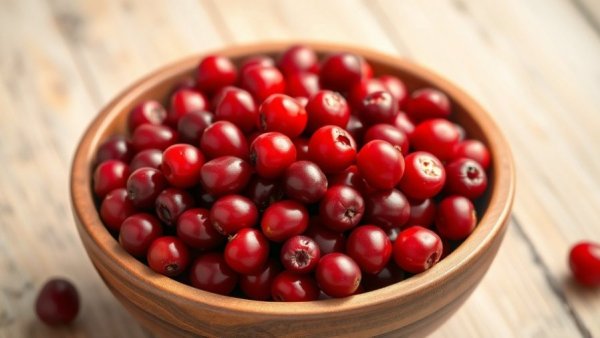
Update Exploring the Rich Heritage of Canadian Cranberries Canadian cranberries are not just a beloved fruit; they hold a unique place in the culinary history of the nation. Grown in wild bogs and cultivated beds across the country, cranberries were vital to Indigenous communities long before they became a staple in modern kitchens. The rich agricultural tradition tied to cranberries reflects a robust cultural identity, creating a strong connection to the land. This fruit thrives particularly in regions like Atlantic Canada and British Columbia, where the unique climate and soil conditions support their growth. Moreover, cranberries are recognized for their health benefits, making them a popular choice among health-conscious consumers. The Three Main Forms of Canadian Cranberries Before diving into the various forms of cranberry available to Canadian shoppers, it’s essential to understand their flavor profiles and ideal uses. Each type has its own unique qualities that cater to different culinary practices, making it important to select the right form for your recipe. Whether you’re making a family dinner or a festive gathering, knowing how to utilize cranberries can enhance your meals dramatically. Fresh and Frozen Whole Berries Fresh cranberries make their seasonal appearance in grocery stores in Canada from the fall harvest until January. Often found in bags, they are vibrant and full of flavor, showcasing their deep red hue that is as appealing as it is nutritious. Notably, these berries undergo a dry harvesting technique that allows them to be sold whole, contrasting with their wet-harvested counterparts which are often processed shortly after collection. Frozen cranberries, preserved in cold storage, maintain their texture and tartness remarkably well, making them an excellent alternative to fresh berries. This versatility makes both fresh and frozen cranberries ideal for a variety of culinary uses, including making homemade cranberry sauce, baking off muffins, and festive garnishing. With their intense tartness, fresh cranberries are usually not eaten raw, which is why many recipes call for them to be sweetened or cooked. For instance, a simple stovetop cranberry sauce can transform this tangy fruit into a flavorsome side dish. The bright acidity of fresh cranberries also pairs beautifully with meats, often found as a complement in recipes for holiday roasts. Best for: Homemade cranberry sauce, baking, relish, garnishing dishes, and holiday meals. Dried, Sweetened Cranberries Dried cranberries are the pantry staple that many Canadians reach for year-round. These berries are usually sweetened to offset their natural tartness, often paired with added fruit juice during processing for a more balanced taste. This added sweetness makes them incredibly versatile, allowing them to be enjoyed in various dishes. Thanks to their shelf-stable qualities, dried cranberries provide a convenient option that adds a delightful zing to salads, trail mixes, and baked goods. Whether it's snacking right out of the bag or layering into breakfast bowls, their versatility is undeniable. Not only do dried cranberries offer a sweeter alternative to their fresh counterparts, but they also lend nutritional benefits. Packed with antioxidants and vitamins, they are an excellent choice for health-conscious individuals looking to enhance their meals. Incorporating dried cranberries into your diet can be as simple as adding them to oatmeal or yogurt, elevating your breakfast in a nutritious way. Best for: Trail mixes, oatmeal, salads, baking treats, and nutritious snacks. Juice, Sauce, and Processed Forms Processed cranberry products, including juice and sauces, dominate how Canadians typically enjoy this fruit. Because fresh cranberries’ tartness can be overwhelming, most are transformed into juice blends or canned sauces, making them more palatable for everyday consumption. These processed products are particularly popular during holiday seasons, as cranberry sauce becomes a dinner table staple alongside turkey and stuffing. This processing often employs wet-harvesting methods, where the berries are floated to the surface of flooded bogs for collection. Cranberry juice is commonly enjoyed as a refreshing drink, but it often comes blended with other fruit juices or sweeteners to balance its natural acidity. This adaptability allows cranberries not only to play a significant role in beverages but also as bases for marinades, glazes, and dressings, enhancing the flavor profile of various dishes. Best for: Holiday meals, marinades, quick sauces, and refreshing drinks. Understanding the Cultivars The quality and flavor of cranberries can also be attributed to the specific cultivars planted by farmers. In British Columbia, common cultivars like Stevens, Bergman, and newer Grygleski hybrids influence how cranberries develop. Each cultivar offers different tastes and textures for culinary use. This means that even as shoppers browse for cranberries styled as fresh, frozen, or dried, the underlying cultivar can signal much about the fruit's quality. Choosing the right cultivar can not only affect the flavor but also how well it works in specific recipes, making this knowledge crucial for cooks keen on maximizing their culinary creations. Choosing the Right Cranberry for Your Recipe Navigating through the various types of cranberries available can be essential for maximizing culinary potential. For example, if you're creating a rich, tart sauce to accompany meats, fresh cranberries might shine the brightest. Conversely, when tossing together a healthy snack with oats and nuts, dried cranberries would be the preferred option. The right form of cranberry can significantly influence the success of a dish, whether you’re making a festive celebration meal or a quick weekday lunch. Understanding your ingredients and how they work together allows you to create balanced and flavorful dishes. With cranberries, the possibilities are nearly endless, from sweet holiday desserts to savory pairings that enhance robust flavors. The Joy of Cooking with Cranberries Whether you’re enhancing your meals during the holiday season or incorporating them into vibrant summer salads, cranberries serve as a delightful addition to your culinary toolkit. Loaded with nutrients and health benefits, these little gems can elevate not only flavor but also nutrition. They encourage home cooks to explore new recipes that celebrate their tart charm. From sweet sauces accompanying savory dishes to refreshing salads bursting with color, the potential of cranberries is boundless—and there’s no better time than now to experiment in the kitchen. As you create, remember to share the joy of cooking with cranberries with family and friends, celebrating not just the health benefits but the cultural significance of this vibrant fruit. By doing so, you help preserve the traditions tied to cranberries while forging new memories centered around delicious meals. In conclusion, Canadian cranberries are much more than just a seasonal fruit; they are a versatile ingredient that bridges the gap between traditional and contemporary cooking. Exploring their various forms offers endless culinary opportunities that celebrate this uniquely Canadian product.

11.14.2026

Unlocking the Path of Canadian Beef: From Farm to Your Dinner Plate

Update Understanding the Journey of Canadian Beef: From Pasture to Plate Many Canadians enjoy beef, yet they often wonder about the journey from farm to grocery store. Canadian beef production is both complex and fascinating, encompassing various stages from pasture-based cow-calf farms to feedlots and beyond. With a robust agricultural framework, farmers and ranchers are committed to the highest standards of nutrition, health, and welfare for the cattle, all under stringent food safety regulations. Where is Beef Cattle Raised in Canada? Beef cattle thrive across all Canadian provinces, with the largest populations located in Western Canada, particularly Alberta and Saskatchewan. According to Statistics Canada, approximately 10.9 million cattle and calves were registered as of January 1, 2025. Most of these operations are cow-calf farms, where mothers raise their calves on lush pastures, ensuring the young cattle obtain the best possible nutrition from their natural environment. A Closer Look at Cattle Raising Practices Once calves are weaned from their mothers—generally around six to seven months—they may either continue on their original farm or be moved to a backgrounding operation or feedlot. These backgrounding facilities ensure calves continue to grow strong on a forage-based diet, allowing them to thrive in a nurturing environment. Backgrounding is crucial in preparing these young animals for later stages of production. Feedlots serve an essential role in beef production as well, providing a controlled environment where cattle receive balanced feed, including grains and vitamins, to achieve market weight efficiently. Feeding and Caring for Cattle: Behind the Scenes Understanding what cattle eat can demystify the beef production process. Farmers collaborate with livestock nutritionists to create tailored rations that meet the dietary needs of their animals. This often includes silage, hay, and specially formulated feeds designed to promote optimal growth and health. As temperatures drop, cattle still have access to stored forage to ensure they maintain adequate nutrition even during winter months. Many farms also employ rotational grazing techniques, allowing pastures to recover and regenerate, providing healthier forage for the cattle. The Importance of Animal Welfare Practices Animal care is paramount in the Canadian beef industry. Farmers implement extensive systems to monitor the health and well-being of their cattle. This includes vaccination programs and regular veterinary check-ups to ensure that the animals remain healthy. Such dedicated practices not only contribute to better tasting and healthier beef, but they also resonate with consumers who prioritize ethical food sources. Animal welfare standards are rigorously maintained across the industry, reflecting a commitment to humane treatment throughout the beef production cycle. Canadian Beef and Environmental Stewardship The beef industry is evolving to align itself more closely with sustainable practices. Initiatives aimed at reducing the environmental impact, such as the Canadian Roundtable for Sustainable Beef, work towards ensuring that beef production meets modern sustainability standards. This includes practices that protect grasslands and promote biodiversity, ultimately benefiting the planet and supporting the ecosystem. In fact, many beef producers are adopting innovative methods such as carbon sequestration in pastures, which not only helps mitigate climate change but also enhances soil quality. The Economic Impact of Canadian Beef The Canadian beef industry not only provides a source of high-quality protein for consumers but also plays a significant role in the economy. It supports numerous jobs in agriculture, processing, and distribution; approximately 229,000 Canadians are employed in the meat industry, often in rural areas where these jobs are vital for the local economy. Furthermore, Canadian beef is exported around the globe, contributing to trade balance and ensuring widespread access to one of Canada's most revered agricultural products. Moving Towards a Sustainable Future As consumers increasingly demand transparency in food production, knowing how beef is produced can shape grocery decisions and meal planning. With growing awareness of health and environmental issues, it’s essential to recognize the practices in place that give consumers confidence in their beef choices. Many consumers are turning to locally-sourced beef, understanding that purchasing from nearby farms supports the local economy and reduces the carbon footprint associated with transporting food over long distances. Final Thoughts: The Value of Understanding Where Our Food Comes From When Canadian families sit down to enjoy a delicious beef meal, they are not just nourishing their bodies, but also participating in a system that values quality, safety, and sustainability. By understanding the journey of Canadian beef from farm to plate, consumers can take pride in their choices, knowing they support dedicated farmers and ranchers who prioritize animal care and environmental stewardship. The next time you enjoy a beef meal, remember the thought, care, and hard work that goes into producing that food. It’s a testament to the connection between agriculture and quality nutrition that is cherished across the country.

Here 1000 Islands

We’re a local online lifestyle magazine that strives to entertain and inform residents of the 1000 Islands region of both Canada and the United States, with stories about our community as a whole. 
 

COMPANY

  • Privacy Policy
  • Terms of Use
  • Advertise
  • Contact Us
  • Menu 5
  • Menu 6

Brockville, Ontario

Canada

ABOUT US

We are a local online lifestyle magazine dedicated to celebrating and strengthening the unique culture of the 1000 Islands region, spanning both Canada and the United States. Our mission is to entertain and inform residents by sharing compelling stories, community news, and expert insights that reflect the vibrant spirit and shared experiences of our riverfront community.

© 2026 CompanyName All Rights Reserved. Address . Contact Us . Terms of Service . Privacy Policy

Terms of Service

Privacy Policy

Core Modal Title

Sorry, no results found

You Might Find These Articles Interesting

T
Please Check Your Email
We Will Be Following Up Shortly
*
*
*