

Add Row
Add Element
cropper
update
Here 1000 Islands
update
Add Element
  • Home
  • Articles
    • Events
    • Health & Wellness
    • Getaways
    • Home & Garden
    • Featured
    • Food & Drink
    • Shop Local & Fashion
    • Aging Well
    • Summer Fun
August 20.2025
3 Minutes Read

How an Air Fryer Can Revolutionize Your Cooking Routine

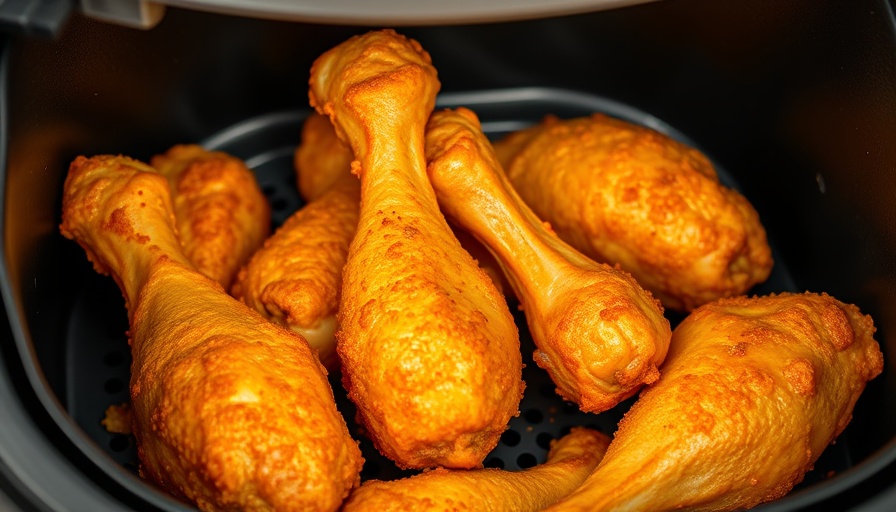
Golden crispy chicken drumsticks showing air fryer benefits and recipes

The Air Fryer: Transforming Home Cooking in Canada

In recent years, the air fryer has become a mainstay in kitchens across Canada, changing the way families approach meal preparation. This compact appliance offers a unique blend of speed, flavor, and health, appealing to both the busy parent and the health-conscious individual. With its ability to create crispy, delicious meals with significantly less oil, it's no wonder the air fryer is reshaping mealtime for many.

Why More Canadians Are Embracing Air Fryers

One of the primary reasons for the air fryer’s skyrocketing popularity is its ability to reduce oil consumption. This appliance uses a powerful circulation of hot air that crisps food effectively while requiring only a small amount of oil—or sometimes none at all. By controlling the amount of oil and seasonings, home cooks have the power to create healthier versions of beloved dishes, significantly supporting better eating habits right in their own kitchens.

The convenience of quick meals cannot be overstated. Most air fryer recipes allow you to go from prep to plate in 30 minutes or less, which is ideal for hectic weeknights. Furthermore, clean-up is a breeze; many components are dishwasher-safe, meaning less time scrubbing pans and more time enjoying family meals.

Mastering Your Air Fryer: Tips and Tricks

To optimize your air fryer experience, following a few simple tips can make a world of difference. First, avoid overcrowding the basket to ensure even cooking; food arranged in a single layer will crisp up more effectively. Shaking or flipping food halfway through the cooking process guarantees that all sides achieve that sought-after golden texture. While a light spritz of oil can enhance browning, many foods can be cooked to perfection without any added fat, so don't hesitate to experiment!

Delicious and Quick Air Fryer Recipes

Maple Dijon Chicken Thighs with Green Beans

This Canadian classic perfectly illustrates how the air fryer can enhance flavor while keeping preparation effortless. By tossing chicken thighs in maple syrup, Dijon mustard, and your favorite herbs, you can get a delicious meal ready in no time. Cooking at 375°F for 15-20 minutes, add fresh green beans for the last 5-8 minutes to complete the dish.

Family-Friendly Air Fryer Fajitas

For a vibrant and easy dinner option, consider chicken fajitas made in the air fryer. Simply mix chicken strips with colorful bell peppers and onions, seasoning them with chili powder before cooking. In just 15-18 minutes at 375°F, you’ll have a colorful platter that pairs beautifully with warm tortillas and your favorite toppings—perfect for engaging the whole family in mealtime.

Spicy Nashville Hot Chicken

If you're in the mood for heat, try whipping up Nashville hot chicken in your air fryer. Dipped in a buttermilk-hot sauce mix and dredged in seasoned flour, this dish cooks to perfection at 400°F in approximately 12–15 minutes. Pair with a refreshing salad to balance the spice!

The Versatility of Air Frying

What's truly exciting about the air fryer is its versatility. Beyond chicken, you can experiment with vegetables, seafood, even baking— the options are endless! This kitchen gadget is a game-changer for those who want to explore new recipes while maintaining a health-focused diet.

The Future of Home Cooking

As we continue to navigate the need for convenience without compromising quality, it's clear that air fryers will play a significant role in future home cooking. They align with a growing desire for healthier eating, making them ideal for both families and individuals looking for quick meal solutions without the mess and oil of traditional frying methods.

Take the Leap!

If you haven’t yet experienced the joys of air frying, now may be the perfect time to consider adding one to your kitchen arsenal. It’s more than just a trend; it's an effective tool that empowers you to create delicious, healthier meals with ease.

Health & Wellness

0 Comments

Write A Comment

*
*
Related Posts All Posts
01.16.2026

Explore Canadian Seafood and How to Cook It Deliciously

Update Discover the Rich Tapestry of Canadian Seafood Canadian waters are teeming with a diverse array of fish and shellfish, both wild and farmed. This vibrant bounty not only sustains local economies but also promotes a healthy and sustainable lifestyle. With easy-to-follow methods for cooking, anyone can enjoy the flavors of the ocean right from their kitchen. Understanding Canadian Seafood: Flavors and Textures Knowing the flavor profiles and textures of popular Canadian seafood is essential to mastering your cooking techniques. For instance, Atlantic Salmon boasts a rich, moist flavor with tender flesh, making it perfect for grilling or in a pasta dish. Its cousin, Arctic Char, offers a more refined taste with fine flakes, ideal for roasting alongside root vegetables. A quick primer on other seafood includes Mussels, which are sweet and briny, best served steamed or in rich seafood stews, and Lobster, known for its succulent, slightly firm meat, ideal when boiled or crafted into savory chowders. Cooking Techniques for Perfect Seafood Seafood can be a nutritious meal option, packed with proteins and omega-3 fatty acids. To maintain its mouthwatering qualities, focus on gentle cooking methods. Overcooking can quickly turn delicate seafood into rubbery messes. A tip here is to pat your seafood dry before cooking; this ensures a nice sear and enhances flavor. When pan-searing fish, always start with the skin side down to keep everything intact while cooking. Not only does the skin help preserve moisture, it also minimizes sticking. Aim for an internal temperature of 70°C (158°F) for fish and 74°C (165°F) for shellfish. From Ocean to Plate: Popular Cooking Techniques Let’s talk about how to bring these flavors to life in your kitchen. Start with the iconic caesar-plank salmon, which embodies true Canadian essence, or get creative with fish tacos that can be crafted using both cod and halibut. Both approaches retain the natural goodness while offering a delightful dining experience. “Cooking seafood is not just a skill; it’s a chance to celebrate the flavors and stories of our oceans.” - Unknown Other techniques worth noting include using sauces and marinades to amplify the already exquisite flavors. A squeeze of lemon can go a long way, as can a light herb butter for a rich finishing touch. Spotting Fresh Canadian Seafood When shopping for seafood, look for labels indicating Canadian origin. Not only does this support local fishermen, but it ensures higher freshness levels. Fish should have a mild scent with firm flesh, while shellfish should be tightly closed (or close when tapped). Additionally, you can explore restaurants featuring local dishes like the B.C. roll or indulge in comforting classics like salmon pie, offering a unique taste of Canada's culinary landscape. Future Trends in Seafood Consumption As awareness of sustainability rises, expect to see Canadian seafood play an even greater role in not just Canadian diets but globally. Not only does this shift promote local economies, but it also fosters a healthier planet by encouraging responsible fishing and aquaculture practices. Ultimately, knowing how to prepare and appreciate Canadian seafood opens doors to healthy eating and enjoyable cooking experiences. It's about more than just nourishment; it’s a cultural journey that connects us to our environment and local communities. Whether grilling, baking, or crafting fresh seafood dishes, there’s a whole ocean of possibilities waiting for you to explore in your kitchen.

01.14.2026

Discover the Heartwarming Saskatchewan Bison Stew Recipe

Update Embracing Winter: The Comfort of Bison Stew When the cold weather sets in, few meals are as inviting as a warm, hearty stew. Saskatchewan Bison Stew, created by the talented Métis chef Jenni Lessard, encapsulates warmth and nostalgia, giving us a taste of comfort during the harsh Prairie winters. Chef Lessard artfully highlights the significance of her culinary creations, blending traditional flavors with a sense of connection to her heritage and family. This stew, with its rich profile, not only fills the stomach but also nourishes the soul. The Significance of Bison: A Connection to the Land In Indigenous culture, bison hold great historical and spiritual significance, making them more than just a food source. These majestic animals are seen as a symbol of abundance and resilience. Chef Lessard underscores the emotional connection to bison, recalling fond memories of her grandmother's warm kitchen. As she states, "When I nourish myself with bison, I feel connected to the land and my relatives past and present." Such statements help us appreciate the deep-rooted implications of the ingredients we choose in our meals, particularly when they come from sustainable sources, reminding us of our connections to the Earth and to those who came before us. Cooking Up Tradition: Step-by-Step Preparation of Saskatchewan Bison Stew Creating Saskatchewan Bison Stew is not just about the cooking; it’s about the stories that unfold as you gather around the kitchen. To start, gather your ingredients: a hearty bison roast, fresh vegetables, and a sprinkle of love. Begin by browning the bison in a thoughtful manner, allowing the flavors to meld. As you add diced tomatoes and beef broth, you build layers of flavor that will warm your kitchen and cozy hearts. After a pair of hours in the oven, the stew transforms into a thick, delicious meal ready to soothe away the winter chill. Health Benefits of Bison: A Nutritious Sneak Peek Beyond mere comfort, bison offers striking health benefits. Lower in fat than beef, bison is rich in protein and packed with essential nutrients such as iron, zinc, and Vitamin B12—key factors for maintaining overall health. It supports muscle building, aids in energy production, and contributes to a healthy immune system. Each steaming bowl of Bison Stew not only feeds but also fortifies the body, making it a meal that respects both tradition and health. Sourcing Local: The Importance of Supporting Sustainable Practices Choosing to cook with bison is also a move towards sustainable eating. Bison are often raised on grass and roam in the open, contributing to healthier ecosystems. By supporting local farmers who practice ethical husbandry, you’re investing in both your health and the environment. This commitment extends beyond the plate, as it fosters a community that prioritizes sustainability. Chef Lessard urges her audience to "eat local and support those who reflect our values,” a call to action that not only benefits our palates but also reflects responsible consumption. Making Memories: Meal Time as a Form of Connection As we gather around the table, sharing meals become more than just feeding our bodies; they forge connections. Each spoonful of this Saskatchewan Bison Stew stirs memories of family gatherings and the warmth of home. It invites conversation and laughter, contributing to mental wellness and emotional health. In every bite, there lies an opportunity to reflect, share personal stories, and create traditions that can be passed down through generations. What better way to endure a cold winter than to forge connections over a bowl of stew? Final Thoughts: Cozy Up and Cook! This winter, why not step into the kitchen and try your hand at making Saskatchewan Bison Stew? Not only will you embrace the deliciousness and warmth it brings, but you will also connect with the stories and traditions it embodies. As you savor each bite, think of the generations before you who found comfort in similar meals, and create your own memories to carry on. So grab your ingredients and start cooking—you’ll not only enjoy a delightful meal but also discover a journey through taste, culture, and history.

12.20.2025

Discover Boreal Forest Teas and Wild Foods: Nature's Hidden Treasures

Update Exploring the Richness of the Boreal Forest: A Culinary Journey The boreal forest, with its sprawling ecosystems and diverse flora, has been a nurturing ground for Indigenous peoples for thousands of years. As the glaciers retreated roughly 8,000 years ago, this forest became essential to the survival and well-being of many communities, particularly those of the Woodlands Cree, Métis, Plains Cree, Dene, and Saulteaux nations residing in Saskatchewan. Reviving Traditional Practices: Boreal Heartland In a beautiful intersection of culture and entrepreneurship, the Keewatin Career Development Association established Boreal Heartland to market foraged forest products. Under the leadership of Randy Johns, they embarked on a journey that began with an unexpected discovery – the use of fireweed. This vibrant plant, known for its medicinal properties, opened the door to creating unique herbal teas that serve both palate and health. As Randy reflects, “We started with fireweed for cosmetics, and before we knew it, we were crafting herbal teas.” One of the most popular creations is the ‘Restoration Blend,’ which melds the delightful taste of fireweed with lake mint, showcasing the forest's bounty. This practice not only supports local economies, but it also helps preserve Indigenous knowledge and harvesting techniques. The Bounty of the Boreal: A Look at Wildcrafting Wildcrafting, or the art of foraging, is a practice that fosters a deep connection to nature. Every spring, community members train to identify edible plants like fireweed, mint, and rose hips, emphasizing sustainable harvesting so that the natural environment continues to thrive. The process includes proper picking methods that ensure plants can regrow and regenerate. Among the various wild edibles harvested in Saskatchewan are: - **Fireweed**: Known for its vibrant pink flowers and culinary versatility. - **Rose Hips**: Often used in jams and teas, they are rich in Vitamin C. - **Bearberry**: This hardy shrub yields edible berries packed with nutrients. Historical Context: A Tradition of Gathering This forest's cultural and historical significance parallels studies in other boreal regions, such as Karelia in northwest Russia, which show a rich history of gathering wild foods. Ethnobotanical research highlights the transformative power of nature by documenting the effects of climate change on wild edible plants, emphasizing the tenacious wisdom behind local foraging habits. Medicinal Qualities of Boreal Foods Wild foods not only serve as sustenance but also play an important role in traditional medicine. Plants like spruce and willow offer medicinal properties, from cough remedies to pain relief. The medicinal use of these plants showcases a long-standing relationship between the people and the environment, drawing on centuries of knowledge. For instance, willow bark, a precursor to aspirin, has been used to alleviate headaches and fevers. Predicting Future Trends in Sustainable Living The revival of practices like wildcrafting reflects a broader shift towards sustainable living. Many are now embracing natural healing and food sourcing, leaning away from industrial patterns of consumption. Understanding the medicinal properties of local plants not only promotes health but also fosters a stronger bond with nature. As communities continue to reconnect with their environments, there is hope that traditional knowledge will endure and thrive in contemporary contexts. A Call to Action: Engage with Your Environment As we cultivate a deeper relationship with our food sources, it's essential to honor the traditional practices of those who came before us and share those teachings with others. Engaging in wildcrafting and sustainable harvesting is not merely a trend; it can redefine our connection to the earth and improve our well-being. Let’s cherish and celebrate the forests that provide us with nourishment, health, and resilience.

Terms of Service

Privacy Policy

Core Modal Title

Sorry, no results found

You Might Find These Articles Interesting

T
Please Check Your Email
We Will Be Following Up Shortly
*
*
*