

Add Row
Add Element
cropper
update
Here 1000 Islands
update
Add Element
  • Home
  • Articles
    • Events
    • Health & Wellness
    • Getaways
    • Home & Garden
    • Featured
    • Food & Drink
    • Shop Local & Fashion
    • Aging Well
    • Summer Fun
September 26.2025
3 Minutes Read

Discover the History and Joy of Puffed Wheat Squares in Canada

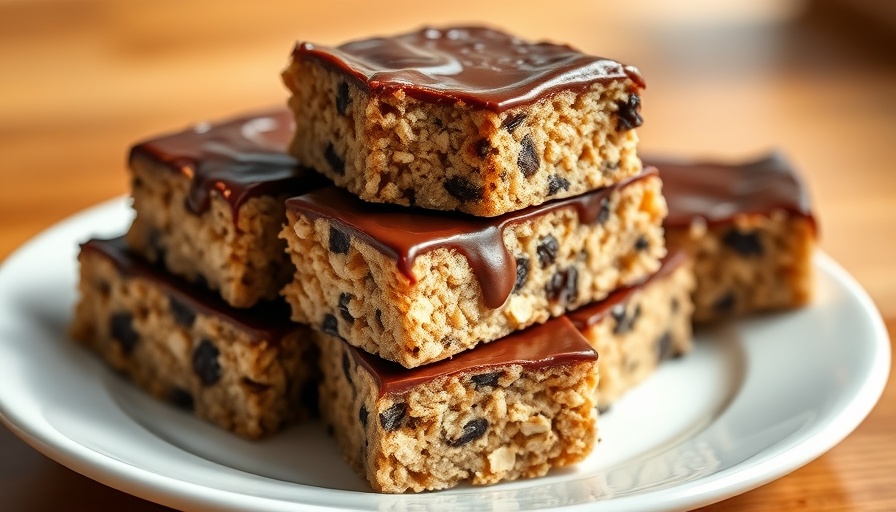
Delicious chocolate puffed wheat squares stacked on a plate.

The Sweet Origins of Puffed Wheat Squares

Puffed wheat squares are more than just a nostalgic treat; they are deeply rooted in Canadian prairie history, particularly in Alberta. The story begins with Alfred James Russell, a Maritimer who ventured west and settled in Red Deer. In 1913, he opened a candy store and introduced the delightful puffed wheat square to a community navigating the challenges of World War I. Amid food rationing and a need for resourceful cooking, Russell crafted this beloved snack, initially harder and sweeter due to molasses, evolving into the softer, chocolatey squares that many remember fondly.

Resourceful Cooking in Tough Times

The puffed wheat square's journey highlights how communities adapt to challenges. During wartime, families in the Canadian prairies learned to stretch their ingredients. With limited access to sugar and flour, inventive homemakers turned to puffed wheat, which provided volume without depleting their precious reserves. This square epitomizes resourcefulness, offering an accessible and compassionate solution for countless households.

Puffed Wheat Squares: A Community Staple

With the simplicity of its preparation, puffed wheat squares quickly became a staple in bake sales and community gatherings. Imagine a bustling kitchen where families, following bustling traditions, whip up a batch after school—even children could join in the fun! The treat requires no baking and can be made with pantry staples like cocoa powder and marshmallows, making it an economical choice that fits the fast-paced lives of prairie families.

Cultural Significance Beyond the Kitchen

The puffed wheat square transcends its role as a snack—it's a representation of prairie life. Similar to butter tarts or Nanaimo bars, puffed wheat squares are a symbol of resilience and community in Canadian kitchens. Whether shared at harvest suppers, community fairs, or school lunches, these treats foster connections among generations. They are an iconic comfort food that unites people, creating bonds through shared experiences and nostalgia.

The Evolution of a Beloved Recipe

Over the years, the puffed wheat square has seen delightful variations. Modern recipes incorporate readily available sugars and often add chocolate or peanut butter for an extra punch. As the world modernized, so did the treat, while still holding onto its historical roots. Some might argue that the traditional recipes hold the true essence of the square, while others embrace innovation, transforming it into something new yet familiar.

A Taste of Prairie Tradition Today

As you sit down to enjoy a puffed wheat square during a family picnic or community event, take a moment to appreciate its rich history. This chewy confection, originating from humble beginnings, remains beloved across Alberta and the prairies. It encourages us to gather, share, and celebrate together. Next time you see these squares at a bake sale, remember not just the delicious taste, but the enduring stories woven into every bite.

Embracing Prairie Culture Through Simple Recipes

Making puffed wheat squares at home is not just about flavor; it’s a way to connect with Canadian culture and history. By embracing this recipe, you bring a piece of prairie life into your kitchen, allowing you and your loved ones to experience a taste of tradition. Consider it an invitation to create memories and share moments while indulging in something sweet. So why not gather some friends or family and whip up this timeless treat together? The joy of cooking and sharing that experience can be as rewarding as the treat itself!

Health & Wellness

0 Comments

Write A Comment

*
*
Related Posts All Posts
02.20.2026

Discover the Versatile Benefits of Eggplants for Summer Meals

Update Why Eggplants Should Be Your Go-To Summer Veggie Eggplants, known for their vibrant purple hue, luxurious texture, and culinary versatility, make a fantastic addition to your summer table. These unique fruits offer more than just aesthetics; they bring a subtle flavor that perfectly complements a wide range of dishes. From grilling and roasting to sautéing, eggplants deserve a spot in your shopping cart this season. Exploring the Varieties of Eggplants In Canada, eggplants manifest in a variety of forms, each with its own culinary advantages. The globe eggplant, the largest and most recognizable type, features shiny purple skin and mild, creamy flesh, ideal for dishes like eggplant parmesan. Meanwhile, the Italian eggplant, slightly smaller, is perfect for ratatouille and pasta dishes due to its tender skin. Asian eggplants, slender and delicate, lend themselves beautifully to stir-fries, while the less common white eggplants bring a sweet flavor to roasting. Harvesting and Storing Eggplants Understanding how to choose and store eggplants can significantly impact their flavor and your culinary results. When purchasing, look for eggplants that feel heavy for their size, with smooth skins and vibrant green caps. Avoid soft or dull specimens. Once you bring them home, storing them in the refrigerator's crisper drawer in a breathable bag will help maintain their freshness, ideally using them within three to five days. Nutrition and Health Benefits These colorful fruits are not just tasty, but also nutritious. Eggplants provide dietary fiber while being low in calories. Their distinct purple skin is rich in anthocyanins, powerful natural antioxidants that can contribute to your overall health. They also contain small amounts of essential vitamins such as B1 and B6 and minerals like potassium. Farming Eggplants: A Labour of Love In Canada, eggplants flourish in warm climates, primarily under controlled greenhouse environments, notably in Ontario, Quebec, and British Columbia. Farmers utilize trellising and pruning techniques to promote healthy growth from spring through fall, allowing these plants to form the stunning purple or white blossoms that yield fruit. Pollination is often aided by bumble bees, emphasizing the symbiotic relationships vital to successful crops. Preparing Eggplants: Tips for Home Chefs When it comes to cooking with eggplants, preparation is key. For those wanting to enhance the flavor, salting slices to draw out excess moisture is a traditional method, though many of today’s varieties are already less bitter. Whether you choose to grill, roast, or blend them into a flavorful baba ghanoush, the options are limitless. One tip—brushing with oil helps prevent sticking and encourages delicious caramelization when grilled. Delicious Eggplant Recipes to Try Delve into the world of culinary possibilities with eggplant. Try your hand at blackened Canadian white fish accompanied by a vibrant ratatouille or savor a roasted vegetable minestrone featuring eggplant. For a heartier option, consider steak with grilled vegetables and pesto quinoa, where the eggplant shines alongside other seasonal veggies. Eggplants: A Culinary Journey! By exploring eggplants, you’re not just experimenting with new flavors; you’re connecting to a long culinary tradition that spans cultures and centuries. Cultivated for thousands of years, these fascinating fruits were brought to North America by notable figures such as Thomas Jefferson. Embark on your culinary journey with one of summer’s finest vegetables and witness all that it has to offer! With such vibrant flavors and health benefits, eggplants are a delightful summer vegetable to experiment with in your kitchen. Embrace the season and create memorable meals with these stunning fruits!

02.14.2026

Explore the Delicious Legacy of Potato & Cheddar Perogies with Zesty Lemon-Dill Sour Cream

Update The Heart of Canada: Discovering Perogies Few dishes evoke the same nostalgia and warmth as a plate of perogies. For many Canadians, these delightful dumplings filled with creamy mashed potatoes and cheddar cheese are a culinary touchstone. Originating from Eastern European traditions, perogies have become a beloved staple in Canadian cuisine, particularly within the Prairie provinces. They embody the spirit of shared meals during family gatherings and church dinners, serving as a delicious reminder of the melting pot of cultures that shapes Canada's identity. Why Perogies Are More Than Just Comfort Food Perogies are not just food; they symbolize comfort, community, and connection. The warmth of these small, tender dumplings has an emotional resonance, often shared during special occasions and cozy meals at home. As we whip up a batch—or even when we enjoy them at a potluck—we're indulging in a tradition that generations before us cherished. They preserve stories and nurture relationships, helping us celebrate our heritage while fostering mindfulness around what we eat. A Zesty Twist: Lemon-Dill Sour Cream There's something magical about how a little brightness can elevate a traditional dish. The Lemon-Dill Sour Cream that accompanies these perogies is a perfect example. The combination of fresh dill and zesty lemon offers a refreshing contrast to the rich potato and cheddar filling. This addition not only enhances flavors but also helps balance out the savory richness, allowing every bite to unfold as a delightful experience. Step-by-Step to Perfect Perogies Creating these Potato & Cheddar Perogies may seem daunting, but this hands-on process is incredibly fulfilling. After mixed and kneaded, the dough is allowed to rest, a vital step to ensure a smooth texture. The filling is made while the dough relaxes, allowing the mashed potatoes to mingle with its cheesy counterpart. Once prepared, the joy of rolling, cutting, and filling comes into play, turning the kitchen into a hub of creativity and delicious anticipation. Perogies: A Lesson in Sustainability In today’s world, sustainability in cooking has become crucial. Not only does making perogies allow for the use of local ingredients, but it also encourages conscious eating practices. Embracing the farm-to-table model by sourcing fresh, local produce for your fillings can significantly reduce the carbon footprint associated with meal preparation. Moreover, perogies can be frozen and enjoyed later, minimizing waste and allowing busy home cooks to provide healthy, homemade meals with ease. How to Personalize Your Perogies While the classic Potato & Cheddar filling is a beloved favorite, don't hesitate to experiment! Try incorporating ingredients such as caramelized onions, herbs, or even sautéed mushrooms to create your unique flavor profile. You can even explore a sweet version by filling perogies with fruits and pairing them with a drizzle of maple syrup or a sprinkle of sugar for dessert. This versatility makes them a delicious canvas for your culinary creativity. Gathering Around the Table: The Emotional Benefits of Cooking Creating homemade perogies is not only a culinary endeavor but also an emotional journey. The act of making food invites mindfulness and connection to our surroundings, reminding us of our roots while fostering gratitude for what we have. Sharing the finished product with loved ones reinforces the bonds of friendship and family, turning mealtime into a celebration of togetherness and love. Get Inspired: Embark on Your Perogy Adventure As you prepare to make these delicious Potato & Cheddar Perogies with Lemon-Dill Sour Cream, remember that this recipe uses simple, high-quality ingredients, which translates into wholesome comfort food that's easy on the budget and the palate. So roll up your sleeves and dive into a perogy adventure that embraces tradition while inviting innovation. You'll be rewarded with every bite as you explore the flavorful ties that bind us to our culinary heritage.

02.14.2026

Explore the Different Types of Dementia: A Comprehensive Guide for Caregivers

Update Understanding Dementia: More Than Just Memory Loss Dementia is a blanket term that encompasses a variety of neurological conditions that result in significant cognitive decline. While most people associate dementia with memory loss, the truth is that there are multiple types of dementia, each with its own set of symptoms and underlying causes. Understanding these types is crucial for caregivers, families, and those living with the condition as they navigate the complexities of treatment and care. Common Types of Dementia According to information from organizations such as the Alzheimer's Association and the National Institute on Aging, some of the most prevalent types of dementia include: Alzheimer’s Disease: The most widely recognized form of dementia, Alzheimer's primarily affects older adults and is characterized by memory loss and cognitive dysfunction, primarily due to abnormal protein accumulations in the brain. Vascular Dementia: This form arises from reduced blood flow to the brain, often following strokes or injuries. Symptoms might include confusion and difficulty with decision-making. Dementia with Lewy Bodies: This type shares symptoms with both Alzheimer’s and Parkinson’s disease, including hallucinations and movement disorders, resulting from protein deposits in nerve cells. Frontotemporal Dementia: Often diagnosed in younger adults (ages 45-65), this type affects personality, behavior, and language capabilities due to nerve cell degeneration in the brain's frontal and temporal lobes. Mixed Dementia: In some cases, individuals may experience mixed forms of dementia, such as Alzheimer's combined with vascular issues, making diagnosis and management more complex. Embracing a New Perspective: Living with Dementia For families and caregivers, it's essential to understand that living with dementia involves adapting to new challenges. Instead of solely focusing on what individuals can no longer do, consider what they can still achieve. Engaging activities that stimulate cognitive function, such as music therapy or art, can provide emotional comfort and connection. Research indicates that fostering social interactions plays a pivotal role in improving the quality of life for individuals with dementia. Addressing Common Misconceptions One prevalent misconception about dementia is that it is an inevitable part of aging. While age is a significant risk factor, not everyone will develop dementia, and various lifestyle choices can mitigate risks. Physical activity, a balanced diet, and mental exercises may help preserve cognitive health. Future of Dementia Care: Innovations and Insights As research advances, the future of dementia care looks promising. Innovative approaches, including personalized medicine tailored to each individual's genetic makeup and potential breakthroughs in drug treatments, provide hope for improved management and perhaps even prevention of dementia. Engaging with ongoing studies or community programs can empower caregivers while enhancing the support network. Making Informed Decisions For those caring for elderly parents or loved ones, understanding the type and nature of dementia is crucial for making informed medical decisions. Engaging with healthcare professionals, support groups, and educational resources can yield invaluable insights and provide a framework for handling day-to-day challenges. Encourage open conversations about feelings and fears, ensuring that both caregivers and patients feel supported. Conclusion: Take Action for Awareness Caring for a loved one with dementia can be a daunting journey, but knowledge is power. Understanding the different types of dementia, how they develop, and available support resources can make a significant difference. Engage with local support groups, attend community workshops, or read more about these conditions to empower yourself and those affected. Together, with information and compassion, we can make the journey a little smoother for everyone involved.

Terms of Service

Privacy Policy

Core Modal Title

Sorry, no results found

You Might Find These Articles Interesting

T
Please Check Your Email
We Will Be Following Up Shortly
*
*
*