

Add Row
Add Element
cropper
update
Here 1000 Islands
update
Add Element
  • Home
  • Articles
    • Events
    • Health & Wellness
    • Getaways
    • Home & Garden
    • Featured
    • Food & Drink
    • Shop Local & Fashion
    • Aging Well
    • Summer Fun
July 15.2025
3 Minutes Read

A Collaborative Approach to Farming: Southeastern Ontario's Community Agriculture Movement

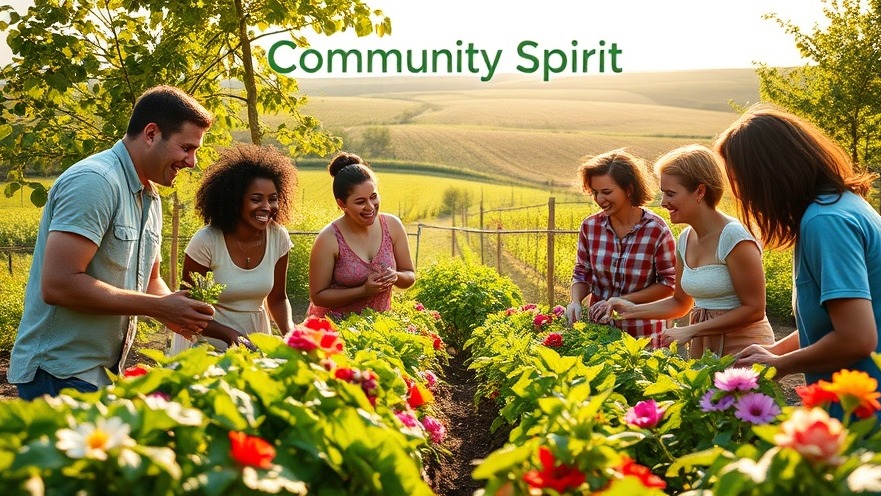
Community members enjoy communal living in a vibrant garden, fostering sustainable farming.


When most Ontarians think of food production, they might envision large-scale industrial operations or traditional family farms. But throughout the fertile landscapes of southeastern Ontario lies a growing alternative: collaborative farming communities and agricultural cooperatives. These innovative approaches, rooted in principles of community partnership, sustainability, and shared knowledge, are transforming how we think about agriculture in the region.

The Evolution of Community Agriculture in Ontario

While southeastern Ontario has always been known for its rich agricultural heritage, a new movement has emerged over the past few decades. From the rolling hills of Prince Edward County to the productive farmlands near Kingston and Ottawa, farmers are discovering the power of collaboration. This shift toward community-based agriculture draws inspiration from various sources, including European cooperative models and indigenous farming traditions, creating a uniquely Ontario approach to sustainable food production.

Cooperative Farming and Shared Success

As members of these collaborative farming networks work together on agricultural initiatives, they produce an impressive variety of crops and livestock suited to Ontario's climate. For instance, the Eastern Ontario Organic Cooperative not only grows corn, soybeans, and winter wheat but also manages diverse vegetable operations and sustainable livestock programs. Their success relies on shared resources and knowledge—these cooperatives operate with pooled equipment, shared expertise, and collective marketing strategies that promote efficiency and reduce individual risk for participating farmers.

Blending Heritage with Innovation

While southeastern Ontario farmers maintain strong connections to their agricultural heritage, they actively embrace modern sustainable farming technologies to enhance productivity and environmental stewardship. By collaborating with agricultural extension services from the University of Guelph and local agricultural organizations, they continuously improve their farming techniques. This partnership between traditional farming wisdom and cutting-edge research showcases the region's commitment to innovation while respecting the land that has sustained communities for generations.

Commitment to Food Safety and Quality

Food safety remains a cornerstone of southeastern Ontario's agricultural community. With many farms participating in direct-to-consumer sales through farmers' markets, Community Supported Agriculture (CSA) programs, and farm-gate sales, producers prioritize quality and traceability. This commitment extends to their community connections, where farmers regularly engage with local consumers, sharing knowledge about growing practices and building trust through transparency and accountability.

Community Connections: Celebrating Local Food

Dining experiences in southeastern Ontario increasingly celebrate the connection between farm and table. Community events like harvest festivals, farm dinners, and agricultural fairs bring together farmers, families, and food enthusiasts to share meals created from local harvests. These gatherings, often held in community centers, farm venues, or local restaurants, strengthen the bonds between rural and urban communities while highlighting the importance of supporting local agriculture. The tradition of shared meals reinforces the collaborative spirit that defines the region's agricultural community.

Learning from Ontario's Collaborative Model

The southeastern Ontario approach to community agriculture offers valuable insights into the benefits of cooperation and shared stewardship. Their commitment to sustainability, food safety, and community connections provides important lessons for agricultural communities across Canada. As more Ontarians become aware of these collaborative practices, we can draw inspiration from their balance of tradition and innovation, working together to create a more resilient and sustainable food system that serves both rural communities and urban consumers throughout the province.

Health & Wellness

Write A Comment

*
*
Related Posts All Posts
01.14.2026

Discover the Heartwarming Saskatchewan Bison Stew Recipe

Update Embracing Winter: The Comfort of Bison Stew When the cold weather sets in, few meals are as inviting as a warm, hearty stew. Saskatchewan Bison Stew, created by the talented Métis chef Jenni Lessard, encapsulates warmth and nostalgia, giving us a taste of comfort during the harsh Prairie winters. Chef Lessard artfully highlights the significance of her culinary creations, blending traditional flavors with a sense of connection to her heritage and family. This stew, with its rich profile, not only fills the stomach but also nourishes the soul. The Significance of Bison: A Connection to the Land In Indigenous culture, bison hold great historical and spiritual significance, making them more than just a food source. These majestic animals are seen as a symbol of abundance and resilience. Chef Lessard underscores the emotional connection to bison, recalling fond memories of her grandmother's warm kitchen. As she states, "When I nourish myself with bison, I feel connected to the land and my relatives past and present." Such statements help us appreciate the deep-rooted implications of the ingredients we choose in our meals, particularly when they come from sustainable sources, reminding us of our connections to the Earth and to those who came before us. Cooking Up Tradition: Step-by-Step Preparation of Saskatchewan Bison Stew Creating Saskatchewan Bison Stew is not just about the cooking; it’s about the stories that unfold as you gather around the kitchen. To start, gather your ingredients: a hearty bison roast, fresh vegetables, and a sprinkle of love. Begin by browning the bison in a thoughtful manner, allowing the flavors to meld. As you add diced tomatoes and beef broth, you build layers of flavor that will warm your kitchen and cozy hearts. After a pair of hours in the oven, the stew transforms into a thick, delicious meal ready to soothe away the winter chill. Health Benefits of Bison: A Nutritious Sneak Peek Beyond mere comfort, bison offers striking health benefits. Lower in fat than beef, bison is rich in protein and packed with essential nutrients such as iron, zinc, and Vitamin B12—key factors for maintaining overall health. It supports muscle building, aids in energy production, and contributes to a healthy immune system. Each steaming bowl of Bison Stew not only feeds but also fortifies the body, making it a meal that respects both tradition and health. Sourcing Local: The Importance of Supporting Sustainable Practices Choosing to cook with bison is also a move towards sustainable eating. Bison are often raised on grass and roam in the open, contributing to healthier ecosystems. By supporting local farmers who practice ethical husbandry, you’re investing in both your health and the environment. This commitment extends beyond the plate, as it fosters a community that prioritizes sustainability. Chef Lessard urges her audience to "eat local and support those who reflect our values,” a call to action that not only benefits our palates but also reflects responsible consumption. Making Memories: Meal Time as a Form of Connection As we gather around the table, sharing meals become more than just feeding our bodies; they forge connections. Each spoonful of this Saskatchewan Bison Stew stirs memories of family gatherings and the warmth of home. It invites conversation and laughter, contributing to mental wellness and emotional health. In every bite, there lies an opportunity to reflect, share personal stories, and create traditions that can be passed down through generations. What better way to endure a cold winter than to forge connections over a bowl of stew? Final Thoughts: Cozy Up and Cook! This winter, why not step into the kitchen and try your hand at making Saskatchewan Bison Stew? Not only will you embrace the deliciousness and warmth it brings, but you will also connect with the stories and traditions it embodies. As you savor each bite, think of the generations before you who found comfort in similar meals, and create your own memories to carry on. So grab your ingredients and start cooking—you’ll not only enjoy a delightful meal but also discover a journey through taste, culture, and history.

12.20.2025

Discover Boreal Forest Teas and Wild Foods: Nature's Hidden Treasures

Update Exploring the Richness of the Boreal Forest: A Culinary Journey The boreal forest, with its sprawling ecosystems and diverse flora, has been a nurturing ground for Indigenous peoples for thousands of years. As the glaciers retreated roughly 8,000 years ago, this forest became essential to the survival and well-being of many communities, particularly those of the Woodlands Cree, Métis, Plains Cree, Dene, and Saulteaux nations residing in Saskatchewan. Reviving Traditional Practices: Boreal Heartland In a beautiful intersection of culture and entrepreneurship, the Keewatin Career Development Association established Boreal Heartland to market foraged forest products. Under the leadership of Randy Johns, they embarked on a journey that began with an unexpected discovery – the use of fireweed. This vibrant plant, known for its medicinal properties, opened the door to creating unique herbal teas that serve both palate and health. As Randy reflects, “We started with fireweed for cosmetics, and before we knew it, we were crafting herbal teas.” One of the most popular creations is the ‘Restoration Blend,’ which melds the delightful taste of fireweed with lake mint, showcasing the forest's bounty. This practice not only supports local economies, but it also helps preserve Indigenous knowledge and harvesting techniques. The Bounty of the Boreal: A Look at Wildcrafting Wildcrafting, or the art of foraging, is a practice that fosters a deep connection to nature. Every spring, community members train to identify edible plants like fireweed, mint, and rose hips, emphasizing sustainable harvesting so that the natural environment continues to thrive. The process includes proper picking methods that ensure plants can regrow and regenerate. Among the various wild edibles harvested in Saskatchewan are: - **Fireweed**: Known for its vibrant pink flowers and culinary versatility. - **Rose Hips**: Often used in jams and teas, they are rich in Vitamin C. - **Bearberry**: This hardy shrub yields edible berries packed with nutrients. Historical Context: A Tradition of Gathering This forest's cultural and historical significance parallels studies in other boreal regions, such as Karelia in northwest Russia, which show a rich history of gathering wild foods. Ethnobotanical research highlights the transformative power of nature by documenting the effects of climate change on wild edible plants, emphasizing the tenacious wisdom behind local foraging habits. Medicinal Qualities of Boreal Foods Wild foods not only serve as sustenance but also play an important role in traditional medicine. Plants like spruce and willow offer medicinal properties, from cough remedies to pain relief. The medicinal use of these plants showcases a long-standing relationship between the people and the environment, drawing on centuries of knowledge. For instance, willow bark, a precursor to aspirin, has been used to alleviate headaches and fevers. Predicting Future Trends in Sustainable Living The revival of practices like wildcrafting reflects a broader shift towards sustainable living. Many are now embracing natural healing and food sourcing, leaning away from industrial patterns of consumption. Understanding the medicinal properties of local plants not only promotes health but also fosters a stronger bond with nature. As communities continue to reconnect with their environments, there is hope that traditional knowledge will endure and thrive in contemporary contexts. A Call to Action: Engage with Your Environment As we cultivate a deeper relationship with our food sources, it's essential to honor the traditional practices of those who came before us and share those teachings with others. Engaging in wildcrafting and sustainable harvesting is not merely a trend; it can redefine our connection to the earth and improve our well-being. Let’s cherish and celebrate the forests that provide us with nourishment, health, and resilience.

12.11.2025

Why Cooking Bison at Home Is a Game Changer for Your Health

Update Discovering the Allure of Bison Meat Bison is an enticing and nutritious red meat that is often overshadowed by beef and pork in Canadian homes. However, its vibrant flavor profile, combined with its health benefits, is causing a culinary renaissance across the nation. Leaner than beef, bison is packed with essential vitamins and minerals, making it a perfect choice for health-conscious diners and adventurous home cooks alike. With a slightly sweet taste and deep red hue, bison meat serves as an exciting alternative to the more familiar red meats. Why Choose Bison? The Health Benefits When it comes to health, bison stands out as a powerhouse of nutrition. Just like it's often recommended to include more lean proteins in our diets, bison fits the bill perfectly. Lower in fat than beef, bison is high in iron, zinc, and essential vitamins like B6 and B12, supporting better energy levels and overall health. As we age, maintaining muscle mass becomes increasingly important, and the protein-rich nature of bison is a step in the right direction. Families looking to integrate wholesome ingredients into their meals will find bison to be a compelling choice. How to Buy and Prepare Bison Meat Purchasing bison meat is easier than ever, with availability in grocery stores, specialty shops, and farmers’ markets across Canada. When shopping for bison, consider the specific cut you need based on your recipe. From tenderloin to more economical cuts like chuck, knowing the best cooking methods for each will unlock the full potential of this meat. Utilize resources like the Canadian Bison Association's cut chart for guidance on tenderness and cooking techniques. Perfect Cooking Techniques for Every Cut Cooking bison requires a bit of finesse due to its lean nature. An important rule to remember is to cook bison slowly at low temperatures to preserve its moisture and flavor. For tender cuts like tenderloin or striploin, grilling or pan-searing is optimal, with ideal internal temperatures ranging from rare (63°C) to medium (68°C). For medium-tender cuts like flank steak, marinating beforehand can enhance tenderness and flavor depth. Thick cuts like roasts benefit from methods such as slow cooking or braising, allowing them to become juicy and tender. Always remember to rest the meat post-cooking to ensure the juices remain intact. Exploring Flavor Profiles: Recipes to Try Whether you are prepping a casual dinner or hosting a special gathering, bison can elevate your menu with unmatched flavors. For dinner parties, consider a bison tenderloin, seasoned simply with garlic and rosemary, seared to perfection. On weeknights, bison tacos made with flank steak, grilled to medium and sliced thin, can impress and delight the family at the dinner table. Additionally, think about incorporating bison into hearty stews for a flavorful twist on classic dishes. The adaptability of bison meat allows it to shine in a variety of recipes, from burgers to exotic stir-fries. Local vs. Global Perspectives on Bison While bison farming has a storied history in Canada, it’s also worth examining global practices and their implications on sustainability. Bison are often raised on pasture and grass, reducing the carbon footprint associated with traditional livestock farming. Engaging local farmers who practice sustainable methods not only supports local economies but also promotes environmentally friendly practices. Making the Switch to Bison: A Sustainable Choice Making a shift to include more bison in your diet aligns with a broader movement towards sustainable eating. With farming practices that prioritize animal welfare and promote local sourcing, choosing bison can be a conscientious choice that benefits your wallet, your health, and the planet. For those looking to make mindful decisions in their food choices, bison stands as a flavorful, nutritious option. Final Thoughts: Embracing Bison in Modern Cooking As more Canadians discover the joys of cooking with bison, this once-overlooked meat is taking its rightful place in our culinary culture. From health benefits to delicious flavor, bison offers a world of possibilities. Why not explore what the bison has to offer? Head to your local market, pick up a cut, and start experimenting with new recipes that will tantalize your taste buds.

Terms of Service

Privacy Policy

Core Modal Title

Sorry, no results found

You Might Find These Articles Interesting

T
Please Check Your Email
We Will Be Following Up Shortly
*
*
*